

Switching to a temperature push process can somewhat increase power effectiveness while reducing power expenses for homeowners. Nevertheless, to enjoy these advantages, a suitable installation process is crucial. Whether you're preparing to put in a temperature pump for the very first time or replacing an old system, following the right steps can assure the system performs optimally. Below are necessary tips to bear in mind for a successful heat pump (värmepump) installation.
Understand Your Home's Heat and Chilling Wants
Before anything else, establish the precise heating and chilling needs of your home. Facets such as for example home measurement, weather, efficiency, and how many occupants may affect your system's performance. A temperature push that's also small might battle to generally meet your preferences, whereas one that's too large can lead to inefficiency and higher costs. A specialist power audit can offer you ideas in to the best system size and effectiveness for the home.
Pick the Proper Temperature Push
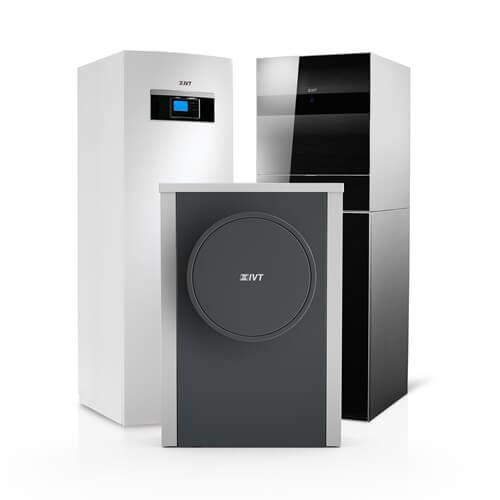
There are various types of temperature sends, including air-source, ground-source (geothermal), and hybrid models. Contemplate your local area and choices when choosing which one matches your home. Air-source temperature pumps are ideal for reasonable areas, while geothermal alternatives work better in parts with extreme temperatures. Always search for versions with large Periodic Energy Effectiveness Ratio (SEER) rankings and Heating Periodic Performance Component (HSPF) ratings to maximise savings and reduce environmental impact.
Work with a Competent Company
Selecting an authorized and experienced HVAC technician is critical. An experienced qualified assures proper sizing, location, and installation of one's heat pump. Poor installation may lower efficiency by around 30%, based on business estimates. Inquire about certifications and read reviews before committing to a contractor.
Keeping the System
The location of your temperature pump device matters significantly. Outside items should have ample circulation and protection from excessive weather conditions. Prevent placing the unit next to surfaces or closed spots, as this could restrict ventilation and lower efficiency. Interior products must be located where air distribution is maximum, preventing obstructions like furniture or curtains.
Keep On Prime of Maintenance
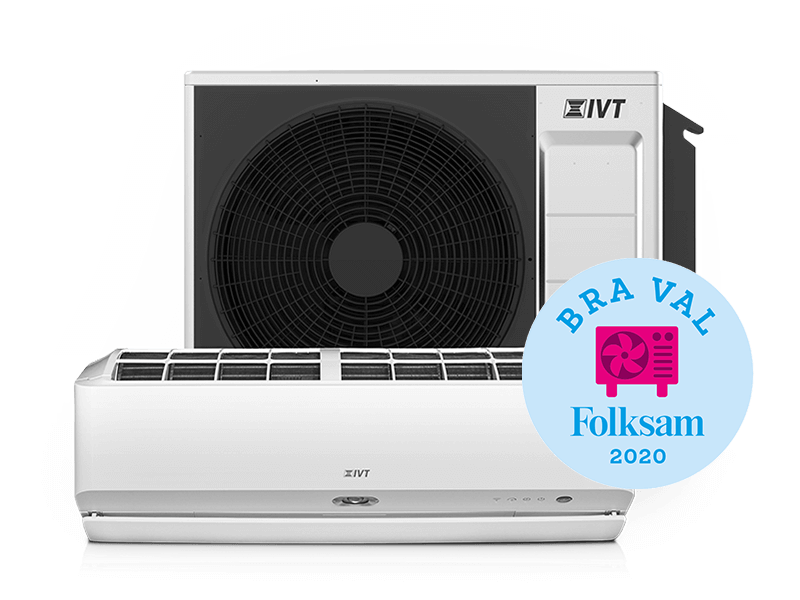
After installment, don't overlook routine maintenance. Regularly washing or exchanging filters, examining channels for escapes, and ensuring the outdoor device is away from trash may hold one's body improved year-round. Simple preservation helps to extend the life span of your heat push and keeps functioning costs low.
Ultimate Thoughts
A properly fitted heat push can be an investment in comfort, performance, and long-term cost savings. Homeowners who prioritize program size, place, and skilled installation and followup with maintenance will relish a heat and chilling program that performs optimally for years. For homeowners looking to cut back their carbon impact and decrease their costs, temperature pushes are clearly a clever choice!